


How To Take The Chair
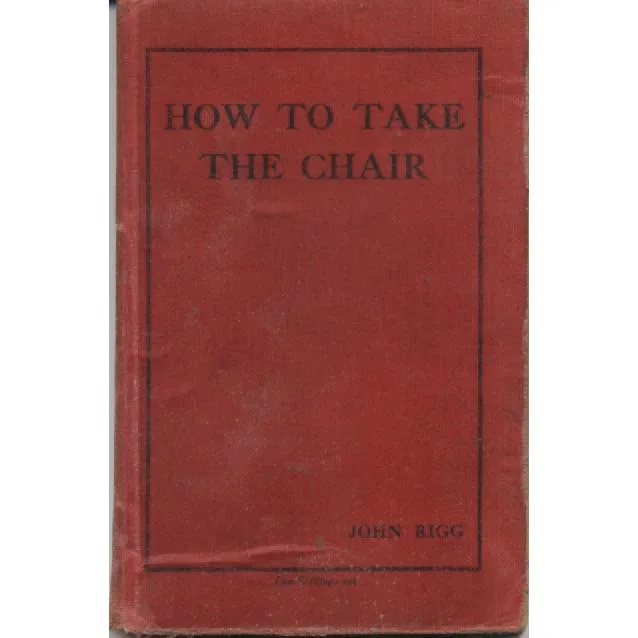
Publisher: George Allen and Unwin
Format: Hardback
ISBN: none
How To Take The Chair (1929) by John Rigg. George Allen & Unwin. No ISBN (because in 1929 the idea of assigning numbers to books would have sounded like something a Bolshevik might propose). Condition: Fair. Sold by Crappy Old Books, where the etiquette is stern, the paper is elderly, and the minutes are always taken whether you like it or not.
This is not a book about furniture. It is, however, absolutely a book about power — the mild, procedural, British kind. The kind that arrives with an agenda, a gavel (metaphorical or otherwise), and the terrifying sentence: “If we could just move on…”
John Rigg’s How To Take The Chair is a pocket-sized guide to chairmanship from a time when committees were treated as a serious branch of civilisation. In 1929, Britain was a nation held together by meetings: parish councils, trade bodies, societies, clubs, institutions, and solemn gatherings of men who owned fountain pens and believed deeply in order. If you’ve ever wondered how the country managed to run itself on tea, paperwork, and polite interruption, this is the operating manual.
Inside you’ll find the ancient arts of:
-
keeping speakers to the point without openly insulting them,
-
stopping the same man from speaking six times in a row,
-
ensuring a vote happens without someone trying to “just raise one small issue,”
-
and steering a room full of confident amateurs towards a decision they can all pretend was inevitable.
It is a book designed to make you competent at the kind of leadership that doesn’t look like leadership. No charismatic TED talk energy here. This is leadership as procedure. Leadership as calm insistence. Leadership as the ability to say “I think we’ve heard enough on that” and mean it.
And the best bit? The title implies you can, in fact, be taught this skill. That chairmanship isn’t something you’re born with — it’s something you learn, like tying a tie or writing a formal letter of complaint. There is an almost touching belief that if people simply understand the rules, meetings will become efficient and rational. A beautiful fantasy, preserved for us in print.
Reading it now is both hilarious and weirdly useful. Every modern workplace meeting, every community AGM, every chaotic Zoom call where someone is “just going to share their screen,” is essentially still living inside this 1929 logic. The tools have changed. The suffering hasn’t.
Condition: Fair — and honestly, that suits it. A book about chairing meetings should not be pristine. It should look as though it has been present at arguments. It should bear the faint wear of having been consulted in moments of quiet desperation. This copy has seen things. It has probably sat in a drawer next to a rubber stamp and a slightly judgmental ruler. The cover may show its age, the pages may be a bit tired — but the core purpose remains intact: to help you preside over human beings without losing your soul.
Ideal for:
-
lovers of obscure British social history,
-
anyone who collects old “how to be a person” manuals,
-
secretaries of clubs, societies, and small empires,
-
and those who wish to weaponise politeness.
So if you fancy owning a 1929 instruction book for the gentle art of controlling a room through procedure and tone, How To Take The Chair is ready to train you in the darkest magic of all: getting to “Any other business” and surviving it.
Crappy Old Books — supplying vintage authority, procedural gravitas, and the faint smell of committee rooms since time immemorial.
Keep browsing: See more Politics books Other books by John Rigg
